



Artificial intelligence has moved from experiment to everyday operations. Employees use it to draft documents, analyse data, serve customers and make recommendations. Organisations use it to automate processes and build new products. But adoption is now running ahead of governance, and that gap is becoming a board-level risk.
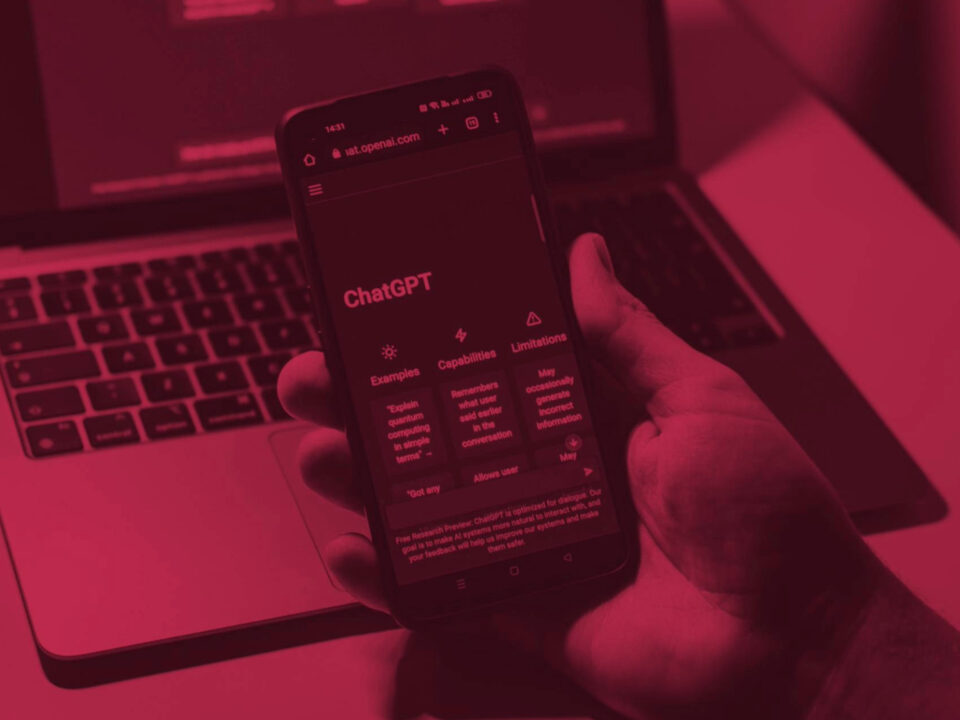
If you assumed your AI conversations were confidential, recent incidents across major platforms suggest otherwise. From Claude to Grok and Meta AI, “share” features and design choices have repeatedly exposed private chats to search engines and public feeds.

With the introduction of the Data Use and Access Act (DUAA), organisations are facing increased scrutiny, shifting compliance expectations, and a notable rise in Data Subject Access Requests (DSARs). For many, what was once a manageable compliance function is becoming a significant operational and legal burden. In this article, we explore what the DUAA means in practice, why DSARs are becoming more frequent and strategic, and how organisations can protect themselves through effective Data Protection Officer (DPO) support.

Every single day, around 21,000 UK businesses are hit by cyber attacks, and most of them are preventable. It raises an uncomfortable question: if cyber attacks are this common, why aren’t we mandating even the most basic levels of cybersecurity? That’s whyMike Donoghue, Founder, Principal Consultant and Managing Director at Economit believes Cyber Essentials should be mandatory for UK businesses, or at the very least the default baseline expected of any organisation handling data, systems, or customers online.

Artificial intelligence is no longer experimental. It is rapidly becoming embedded across business operations, customer services, and decision-making processes, both at corporate level and on an individual day-to-day use case basis. As adoption accelerates, governance is quickly becoming a priority, and boards are now being asked to prove AI is governed with the same discipline as information security.

When cybersecurity fails, “we didn’t know” isn’t a defence. So, who is actually accountable, and if the board doesn’t fully understand cyber risk and their security posture in relation to that risk, who within the organisation does?

In IT, 'boiling the ocean' means trying to do everything at once, a guaranteed recipe for wasted time, budget overruns, and failed projects. It describes taking on an impossibly broad or undefined scope, with tasks that are unmanageable given the available time, resources, or complexity involved.

Artificial Intelligence is reshaping industries, transforming processes, and creating new opportunities for efficiency and innovation. But in this era of rapid technological change, established management frameworks such as ISO 9001 (Quality Management) and ISO 14001 (Environmental Management) remain just as relevant, if not more so. These standards provide the foundation for organisations to integrate AI responsibly, sustainably, and effectively.
OpenAI (the company that created ChatGPT) lets you share ChatGPT conversations with others, but it's easy to accidentally click a box and inadvertently make your private conversations public. Here's how to stop Google spying on your conversations...

The shocking stat is not only the rise in attacks, but that 60% to 70% of the phishing attacks this year have come from PhaaS kits. A PhaaS kit refers to a pre-packaged set of tools and resources provided by Phishing-as-a-Service platforms that enables cybercriminals, often with little technical expertise, to launch phishing attacks quickly and efficiently. Attackers can subscribe to or purchase these kits, often through darknet forums or messaging apps like Telegram.











The IT landscape is undergoing a seismic shift. What was once a support function tethered to break-fix and updating servers and software now needs to be very much a strategic function. For many organisations, this shift hasn't been fast enough, and in many cases, is not happening at all. The question is no longer 'if' businesses should evolve their IT strategy, but ‘when’ can they.